
Pranams to my Guru Sai who encouraged me to write during this Shirdi journey with my family. This is my 3rd visit to Shirdi, I felt like returning to my native place. The train journey made us very happy, relaxed and increased our bonding. Even though we had pre booked for darshan and aarti. We decided to go once through free darshan also, as Palpandian ayya usually tells. During the free darshan, Sai the almighty showered his immense love and pleasure, felt very cozy giving us an opportunity to join in his evening aarti too.
In this article I like to share my journey and a little understanding with the grace of Saibaba.
In tamil journey means payanam
ப்+ அயணம்= பயணம்
ப் – பரம்
அயணம் – direction/ orientation.
I feel like the word denotes journey within to realise the self, the true self according to which we see changes outside.
There is a Siddha quote,
பரம் பார்ப்பான்
சரம் பார்ப்பான்
This quote may denote the breath, awareness of our own true being leads to almighty. Without any doubt our tharsarbu practices make us go with the flow.
Our everyday life is not different from our spritual side. Our Satguru who resides as agaguru shows the multiple layer of our self like an onion. To travel through this unknown path, humbleness is the only way to go deeper and deeper as Lord Vishnu who reached the foot of lord shiva.
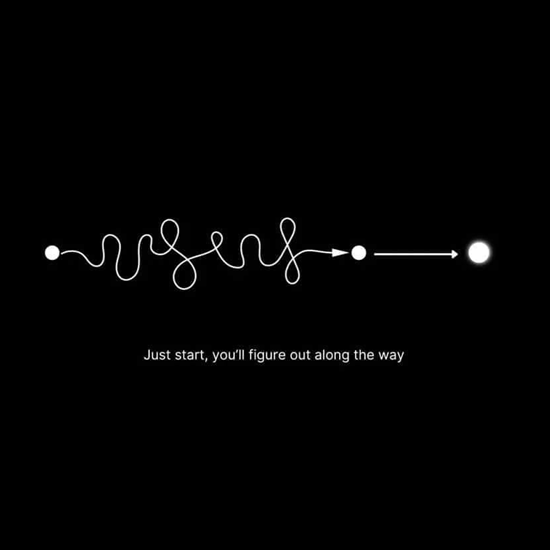
This journey both inner and outer like a snake and ladder or a vedio game in which we rise and fall multiple times yet continue the game with same curiosity and faith. The level of grounding decides whether we continue with it or quit.
Once Palpandian ayya asked me how our ancestors attained the state of beingness. I was puzzled and I don’t know the answer. Then he said, through simple practices like ‘walking’. I admired after hearing this reply, whereas today we have to do many practices to realize and to attain the state.
Here I need to share the daily routine of one of my ancestor named Amirtham (my great grandmother) who passed away at the age of 108.
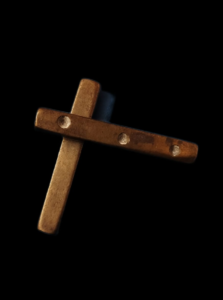
Few years ago, I was in my village during my pregnancy days and had ample time to spend with my family. One fine morning, my grand mother who is also named Amirtham, gave me a pair of valuable dice, which is called ‘thayakattai’ in tamil. It is made of brass which makes clatter sound when they are rolled together.
My grand mother said that the pair of dice actually belonged to her mother in law, my great grandmother Amirtham, who was a Siddha paediatrician. Despite being a busy siddha practioner, she completed her daily routine and used to play the dice, irrespective of whether the opponent player is available or not. She never felt boredom. I perceived this physical movement as an art. I think this consistent passionate practice made her other chores effortless and she involved herself without considering the duration or quantum of the tasks.
Whereas, in my daily routine, I feel bored as I have to do the same chores for a long time. So, I used to skip the work or do multiple tasks at the same time.
When we lack involvement and switch between small, unrelated tasks, our brain is rewarded with a small, immediate burst of dopamine* resulting in decreased productivity and lack of concentration. Fitness enthusiasts may name this as dopamine disruptor.
When I compare my uninteresting mundane routine and that of my great grand mother who passionately indulged in her daily dice game irrespective of her busy schedule as a siddha practioner in addition to her household chores, I realised I lack the enthusiasm which she had.
Thanks to our Aasan for the Tharcharbu practices. The single natural prolonged activity which we are learning through our practices and from our ancestors trying to shape ourselves and to make us flow as a natural state indulging ourselves completely irrespective of the nature of task we do. Allowing ourselves completely in every task will embrace the process rather than solely focusing on the outcome.
Sai Thiruvadi Saranam🙏
Dr.Easwari rakothaman
